The Complete Indian Bridal Jewellery Buying Guide (2026): Checklist, Budget, Styling Tips & Expert Advice
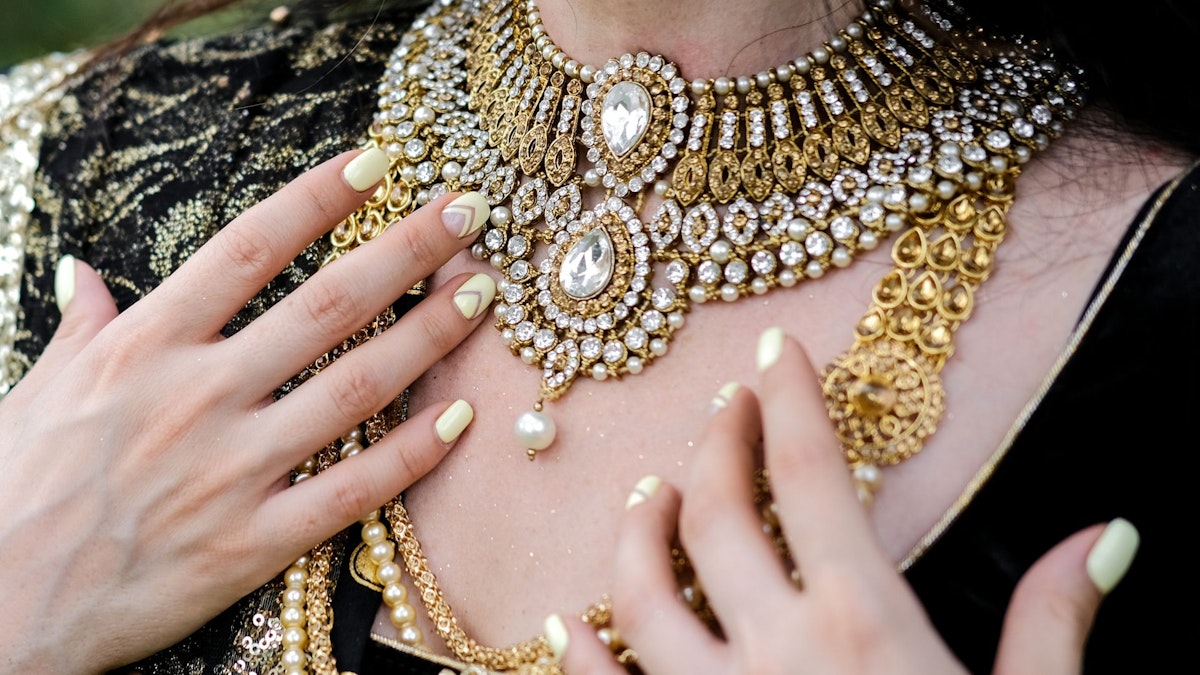
Your wedding jewellery is more than a beautiful finishing touch. It tells your story, reflects your personality, honours family traditions, and becomes part of memories that will last a lifetime. Long after the wedding photographs are framed, your bridal jewellery remains one of the few things you can wear and treasure for years to come.
However, buying bridal jewellery is not as simple as choosing the prettiest necklace in the showroom. Today's bride has hundreds of options, including gold, polki, kundan, diamond, temple jewellery, pearls, and contemporary fusion designs. Add different wedding functions, outfit changes, budgets, family expectations, and personal preferences, and the decision can quickly become overwhelming.
Many brides make the mistake of shopping without a plan. Some buy jewellery before finalising their wedding outfits. Others focus only on trends and overlook comfort or versatility. Some spend too much on one statement piece while forgetting essential accessories. These small mistakes can affect not only your bridal look but also your budget.
That is exactly why this Indian bridal jewellery buying guide has been created.
Whether you are planning a traditional wedding, a modern celebration, or a destination wedding, this guide will help you make informed decisions at every stage of your shopping journey.
Inside this guide, you'll learn:
The complete Indian bridal jewellery checklist
Jewellery needed for every wedding function
How to choose jewellery for your outfit and neckline
Gold vs Polki vs Kundan vs Diamond
Budget planning tips
Common buying mistakes to avoid
Jewellery care and storage tips
Expert styling advice used by bridal consultants
Frequently asked questions from real brides
By the time you finish reading, you'll have a clear roadmap for building a bridal jewellery collection that complements your wedding wardrobe, suits your personal style, and remains timeless for years to come.
Quick Bridal Jewellery Checklist
Before diving into the details, here's a quick overview of the essential jewellery pieces many Indian brides consider for their wedding celebrations.
Jewellery Piece | Essential | Optional |
Bridal Necklace | ✓ | |
Choker | ✓ | |
Rani Haar | ✓ | |
Earrings | ✓ | |
Maang Tikka | ✓ | |
Nath (Nose Ring) | ✓ (Traditional Weddings) | |
Bangles / Kada | ✓ | |
Rings | ✓ | |
Mangalsutra | ✓ (Post Wedding) | |
Hathphool | ✓ | |
Waist Belt (Kamarbandh) | ✓ | |
Kaleere | Punjabi Weddings | |
Chooda | Punjabi Weddings | |
Anklets (Payal) | ✓ | |
Toe Rings (Bichiya) | Traditional Weddings |
Think of this checklist as your starting point. Every bride's jewellery selection should ultimately reflect her culture, wedding traditions, outfit choices, and personal comfort rather than following a fixed formula.
In the next section, we'll explore why bridal jewellery holds such deep cultural, emotional, and practical significance in Indian weddings, and how understanding its purpose can help you make better buying decisions.
Part 2: Why Bridal Jewellery Matters in Indian Weddings
Bridal jewellery is often the most treasured part of a bride's wedding ensemble. While outfits may be preserved as keepsakes, jewellery continues to be worn during anniversaries, festivals, family celebrations, and future generations. It combines tradition, craftsmanship, and personal memories into something that lasts long after the wedding day.
Understanding the significance of each jewellery piece can also help you make smarter buying decisions. Instead of choosing pieces simply because they are trending, you can build a collection that reflects your culture, complements your style, and remains valuable for years.
A Symbol of Tradition and Heritage
Indian weddings are deeply rooted in tradition, and jewellery plays an important role in many ceremonies. Across different regions of India, specific jewellery pieces represent blessings, prosperity, commitment, and family values.
For example:
The mangalsutra symbolises marriage in many Hindu communities.
Bangles are associated with happiness, prosperity, and good fortune.
The maang tikka is traditionally believed to represent the union of the mind, body, and soul.
Payal and bichiya are commonly worn after marriage in several Indian traditions.
While customs vary across states and communities, jewellery remains an essential part of bridal attire throughout India.
A Reflection of Personal Style
Modern brides are no longer limited to one traditional jewellery style. Today's bridal jewellery can be classic, contemporary, minimalist, or a combination of several influences.
Some brides prefer:
Traditional gold jewellery
Royal Polki sets
Antique temple jewellery
Elegant diamond collections
Pearl jewellery for pastel weddings
Fusion designs that blend traditional and modern elements
The best bridal jewellery doesn't simply follow trends. It reflects your personality while complementing your wedding outfits.
A Lifetime Investment
Unlike many wedding expenses that last only a day, quality jewellery often becomes a long-term investment.
Well-crafted pieces can:
Be worn during festivals and family functions
Become heirloom jewellery for future generations
Retain intrinsic value, especially precious metals
Be redesigned into modern pieces years later
When shopping, think beyond your wedding photographs. Ask yourself whether you'll enjoy wearing the jewellery five or ten years from now.
Completing Your Bridal Look
Even the most beautifully designed bridal outfit can feel incomplete without the right jewellery.
Jewellery creates balance by highlighting your:
Face
Neckline
Hairstyle
Hands
Overall silhouette
A heavily embroidered lehenga paired with oversized jewellery may appear overwhelming, while a simple outfit styled with carefully chosen statement pieces can look elegant and refined.
The goal isn't to wear the biggest jewellery set. It's to create harmony between every element of your bridal look.
Every Wedding Function Deserves Its Own Style
Indian weddings are no longer limited to one ceremony. Many celebrations include multiple events spread across several days, each with a different atmosphere and dress code.
Your jewellery should evolve with each function.
For example:
Wedding Function | Jewellery Style |
Engagement | Elegant diamonds, pearls, or lightweight Polki |
Haldi | Minimal floral jewellery or simple gold pieces |
Mehendi | Colourful, lightweight jewellery with playful designs |
Sangeet | Contemporary statement jewellery with modern silhouettes |
Wedding Ceremony | Traditional bridal jewellery with complete accessories |
Reception | Sophisticated diamonds or elegant contemporary designs |
Choosing different jewellery for each function creates visual variety while ensuring every look feels appropriate for the occasion.
Family Heirlooms Add Emotional Value
Many brides include heirloom jewellery passed down through mothers or grandmothers. These pieces often carry sentimental value that cannot be measured by price alone.
If you're wearing family jewellery, consider blending it with newer pieces rather than replacing it entirely. A vintage necklace can pair beautifully with modern earrings, or an heirloom bangle can become the centrepiece of an otherwise contemporary bridal look.
This combination honours family traditions while allowing your personal style to shine.
Practical Value Matters Too
Beautiful jewellery should also be practical.
During your wedding, you'll spend several hours walking, greeting guests, posing for photographs, participating in rituals, and dancing. Jewellery that feels comfortable throughout the day will naturally look better in photographs because you'll appear more relaxed and confident.
When choosing bridal jewellery, consider:
Weight
Balance
Secure clasps
Skin sensitivity
Ease of movement
Comfort during long ceremonies
Remember, you'll likely wear your bridal jewellery for eight to twelve hours. Comfort should never be an afterthought.
Expert Tip
Instead of asking, "What jewellery is trending?", ask "What jewellery suits my outfit, face shape, wedding style, and long-term wardrobe?"
Trends change every season. Well-chosen bridal jewellery remains timeless.
Now that you understand why bridal jewellery plays such an important role in Indian weddings, the next step is knowing exactly what you need to buy. In the next section, we'll walk through the complete Indian bridal jewellery checklist, explaining every essential piece, when it's worn, and how to choose the right one.
Part 3: The Complete Indian Bridal Jewellery Checklist
One of the biggest mistakes brides make is shopping without a checklist. They fall in love with a statement necklace or designer earrings, only to realise later that they've forgotten important accessories or overspent their budget.
Creating a bridal jewellery checklist before you visit a showroom helps you:
Prioritise essential purchases
Allocate your budget wisely
Avoid impulse buying
Ensure every wedding function is covered
Create a balanced bridal look
Not every bride needs every jewellery piece. Your final selection should depend on your wedding traditions, outfit choices, personal style, and budget. Use this checklist as a guide rather than a strict rulebook.
1. Bridal Necklace: The Centrepiece of Your Look
The bridal necklace is often the focal point of your wedding jewellery. It frames your face, enhances your neckline, and ties your entire bridal look together.
Popular options include:
Traditional gold necklace
Polki bridal set
Kundan necklace
Diamond bridal necklace
Temple jewellery
Antique gold designs
Pearl layered necklaces
How to Choose the Right Necklace
Consider:
Your blouse neckline
The embroidery on your outfit
Your face shape
Your hairstyle
The weight of other jewellery pieces
For example:
Deep V-neck blouses pair beautifully with layered necklaces.
High-neck outfits usually look better with shorter necklaces or chokers.
Sweetheart necklines suit both chokers and layered bridal sets.
Minimal embroidery allows for a more elaborate necklace.
Stylist Tip: If your necklace is highly detailed, keep your earrings slightly simpler to avoid creating a cluttered look.
2. Choker: A Modern Bridal Favourite
Chokers have become one of the most popular bridal jewellery pieces in recent years. They add elegance while drawing attention to the face.
Chokers work especially well with:
Off-shoulder blouses
Sweetheart necklines
Boat neck blouses
Reception gowns
Many brides layer a choker with a longer rani haar to create depth without making the jewellery feel overwhelming.
3. Rani Haar
A rani haar is a long necklace traditionally worn with shorter necklaces or chokers.
It creates a royal appearance and adds vertical balance to heavily embroidered bridal outfits.
Ideal for:
Traditional weddings
Heavy bridal lehengas
Silk sarees
Heritage-inspired bridal looks
Avoid pairing multiple oversized necklaces of similar length, as they can compete with each other instead of creating harmony.
4. Bridal Earrings
Earrings frame your face and are one of the most photographed jewellery pieces after the necklace.
Popular styles include:
Jhumkas
Chandbalis
Diamond drops
Polki earrings
Kundan earrings
Temple-style earrings
Pearl earrings
Choosing Earrings Based on Hairstyle
Open Hair
Medium-sized chandbalis
Studs with detachable drops
Lightweight jhumkas
Bun Hairstyles
Statement chandbalis
Long earrings
Layered designs
Side-Swept Hairstyles
Asymmetrical statement earrings
Contemporary diamond drops
Choose earrings that remain comfortable throughout the ceremony, especially if they are heavy. Support chains can help reduce strain on your ears.
5. Maang Tikka
The maang tikka is one of the most iconic elements of Indian bridal jewellery. It naturally draws attention to your face while complementing your hairstyle.
Common styles include:
Single-chain maang tikka
Matha patti
Borla
Crescent designs
Polki tikka
Diamond tikka
Choosing the Right Style
Round face: Longer designs create balance.
Oval face: Almost every style works well.
Heart-shaped face: Smaller centrepieces look elegant.
Square face: Curved designs soften facial features.
Your hairstyle should also influence the size of your maang tikka.
6. Nath (Nose Ring)
Although not worn by every bride, the nath remains one of the most traditional bridal accessories across many Indian communities.
Styles include:
Classic gold nath
Pearl nath
Diamond nose ring
Oversized bridal nath
Minimal hoop designs
If you are not used to wearing a nose ring, practise wearing it before your wedding day to ensure maximum comfort.
7. Bangles and Kada
Bangles symbolise prosperity, celebration, and married life in many Indian traditions.
Options include:
Gold bangles
Glass bangles
Kundan bangles
Diamond bracelets
Temple kada
Antique gold bangles
Many brides mix textures by combining plain gold bangles with stone-studded pieces to create visual interest.
Styling Tip
Balance is important.
If your necklace and earrings are elaborate, simpler bangles often create a more elegant appearance.
8. Bridal Rings
Apart from the engagement ring and wedding band, many brides wear decorative rings during wedding ceremonies.
Statement rings work particularly well during:
Mehendi
Sangeet
Reception
Wedding portraits
Some brides also coordinate rings with their hathphool for a cohesive look.
9. Hathphool
Hathphool connects rings to bracelets using delicate chains across the hand.
It photographs beautifully during:
Mehendi
Ring ceremony
Bridal portraits
Wedding rituals
Lightweight designs tend to be more comfortable during long ceremonies.
10. Kamarbandh (Waist Belt)
A kamarbandh helps define the waist while adding elegance to sarees and lehengas.
It works especially well with:
Traditional silk sarees
South Indian bridal looks
High-waisted lehengas
Temple jewellery sets
Besides aesthetics, it can also help secure a saree or dupatta.
11. Mangalsutra
The mangalsutra holds deep cultural significance in many Hindu weddings and is often worn after the wedding ceremony.
Modern designs now include:
Minimalist gold chains
Diamond pendants
Daily wear styles
Convertible designs
Many brides choose a versatile design that complements both traditional and western outfits after marriage.
12. Payal (Anklets)
Payal adds graceful movement and a soft musical charm to your bridal walk.
Popular styles include:
Silver anklets
Gold-plated designs
Pearl anklets
Stone-studded payal
Minimal chain anklets
Choose lightweight designs if you'll be standing for extended periods.
13. Bichiya (Toe Rings)
Toe rings are traditionally worn after marriage in several Indian communities.
Although simple, they complete the bridal look during traditional ceremonies.
Comfort should be your priority, especially if you'll wear them throughout the day.
14. Kaleere (For Punjabi Brides)
Kaleere are an important part of Punjabi bridal traditions and symbolise prosperity and happiness.
Today's brides can choose from:
Traditional golden kaleere
Floral kaleere
Personalised kaleere
Minimal contemporary styles
Crystal and pearl designs
Since kaleere appear in many wedding photographs, choose a design that complements both your chooda and bangles.
15. Chooda (For Punjabi Brides)
The bridal chooda is one of the most recognisable symbols of a Punjabi bride.
Available in traditional red and ivory as well as modern pastel shades, the chooda should complement your bridal outfit without overpowering your jewellery.
Coordinate your kaleere, bangles, and rings for a balanced appearance.
Bridal Jewellery Checklist at a Glance
Jewellery Piece | Wedding Day | Reception | Other Functions |
Necklace | ✓ | ✓ | Optional |
Choker | ✓ | ✓ | ✓ |
Rani Haar | ✓ | Optional | |
Earrings | ✓ | ✓ | ✓ |
Maang Tikka | ✓ | Optional | ✓ |
Nath | ✓ | Optional | |
Bangles | ✓ | ✓ | ✓ |
Rings | ✓ | ✓ | ✓ |
Hathphool | ✓ | Optional | Mehendi |
Kamarbandh | Optional | Traditional Events | |
Mangalsutra | After Ceremony | ✓ | Daily Wear |
Payal | ✓ | ✓ | Optional |
Bichiya | Traditional Weddings | ||
Kaleere | Punjabi Weddings | ||
Chooda | Punjabi Weddings |
Expert Buying Advice
You don't need to purchase every piece in a single shopping trip.
Start with your bridal outfit, then select your main necklace, followed by earrings, head jewellery, and finally the supporting accessories. This approach ensures every piece works together instead of competing for attention.
With your bridal jewellery checklist complete, the next step is understanding which jewellery works best for each wedding function. The jewellery you wear for your haldi should feel very different from what you wear on your reception night, and that's exactly what we'll cover next.
Part 4: Bridal Jewellery for Every Wedding Function
Modern Indian weddings are no longer a single-day celebration. Most weddings now include multiple events, each with its own dress code, mood, and photography style. Wearing the same jewellery throughout every function can make your looks feel repetitive, while choosing jewellery specifically for each occasion creates variety and allows every outfit to stand out.
The key is not to buy a completely new jewellery set for every event. Instead, build a versatile collection that can be mixed, matched, and layered across different functions.
Let's look at how to style jewellery for each stage of your wedding celebrations.
Engagement Ceremony
The engagement is often your first official appearance as a bride-to-be. Your jewellery should feel elegant rather than overly traditional.
This is the perfect opportunity to wear timeless pieces that you'll also be able to use after your wedding.
Best Jewellery Choices
Diamond necklaces
Delicate Polki sets
Pearl jewellery
Elegant chokers
Statement earrings
Tennis bracelets
Cocktail rings
Styling Tips
If your engagement outfit already features heavy embroidery or embellishments, choose refined jewellery rather than oversized statement pieces.
A sophisticated choker paired with matching earrings often looks more elegant than wearing multiple layered necklaces.
Works Best With
Designer lehengas
Indo-western gowns
Sarees
Cocktail dresses
Haldi Ceremony
Haldi ceremonies are cheerful, intimate, and filled with colour. Since turmeric can stain precious jewellery, many brides avoid wearing expensive gold or diamond pieces during this event.
Instead, lightweight accessories are both practical and visually appealing.
Popular Choices
Floral jewellery
Pearl jewellery
Oxidised jewellery
Lightweight gold earrings
Colourful bangles
Minimal necklaces
Fresh flower jewellery remains one of the biggest trends for haldi ceremonies because it complements the joyful atmosphere while keeping the overall look light and comfortable.
Styling Tips
Keep jewellery minimal.
The focus during haldi should remain on your natural glow rather than elaborate accessories.
Mehendi Ceremony
The mehendi function is vibrant, playful, and full of movement. You'll spend hours sitting for mehendi application, greeting guests, dancing, and posing for photographs.
Comfort is essential.
Best Jewellery Options
Colourful Kundan jewellery
Mirror work jewellery
Floral jewellery
Chandbalis
Layered bangles
Hathphool
Lightweight maang tikka
Since your hands will be prominently featured in photographs, decorative rings and hathphool become standout accessories during this event.
Styling Tips
Avoid extremely heavy necklaces that may become uncomfortable while sitting for long periods.
Instead, let your earrings, bangles, and hand jewellery become the focal points.
Sangeet Ceremony
The sangeet is one of the most energetic wedding functions. Between performances, dancing, and celebrations, your jewellery needs to look glamorous without restricting movement.
This is an excellent opportunity to experiment with contemporary bridal styling.
Popular Jewellery Choices
Diamond jewellery
Modern Polki
Layered necklaces
Statement earrings
Cuffs
Contemporary bracelets
Cocktail rings
Many brides skip the maang tikka during the sangeet to create a more modern appearance.
Styling Tips
If you're wearing a heavily embellished outfit, avoid layering too many necklaces.
One statement piece often creates a stronger impact than multiple competing accessories.
Wedding Ceremony
This is where your complete bridal jewellery collection comes together.
Unlike previous functions, your wedding ceremony allows for a fuller, more traditional look.
Essential Jewellery
Bridal necklace
Choker
Rani haar
Earrings
Maang tikka
Nath
Bangles
Rings
Hathphool
Payal
Mangalsutra (depending on ceremony)
Kamarbandh (optional)
Rather than choosing every piece to be equally bold, create one clear focal point.
For example:
Statement necklace + elegant earrings
Dramatic earrings + simpler necklace
Heavy maang tikka + refined earrings
This creates visual balance in both photographs and in person.
Reception
Reception styling often shifts from traditional to contemporary elegance.
Many brides change into a gown or a lighter lehenga, making diamonds and minimalist jewellery popular choices.
Ideal Reception Jewellery
Diamond necklaces
Tennis necklaces
Pearl jewellery
Emerald statement pieces
Modern chandeliers
Delicate bracelets
Since reception photography often includes close-up portraits, jewellery with clean lines and brilliant sparkle photographs beautifully.
Styling Tips
Reception jewellery should complement your hairstyle.
For sleek buns, long earrings work particularly well.
For open hairstyles, medium-length earrings usually create better balance.
Jewellery Timeline for Multi-Day Weddings
Instead of buying separate jewellery sets for every event, build a collection that can be reused creatively.
Function | Jewellery Focus |
Engagement | Elegant diamonds or pearls |
Haldi | Floral or lightweight jewellery |
Mehendi | Colourful jewellery with hand accessories |
Sangeet | Glamorous contemporary jewellery |
Wedding | Complete traditional bridal set |
Reception | Sophisticated diamond or Polki jewellery |
A versatile collection not only saves money but also ensures each look feels unique without unnecessary purchases.
Mix and Match Like a Bridal Stylist
Professional bridal stylists rarely recommend wearing identical jewellery sets across every event. Instead, they mix pieces to create fresh looks.
For example:
Look One
Bridal choker
Chandbalis
Bangles
Maang tikka
Look Two
Same earrings
Long rani haar
Bracelet instead of bangles
Look Three
Diamond necklace
Cocktail ring
Tennis bracelet
Three completely different looks can be created using many of the same jewellery pieces.
Should Every Function Have Heavy Jewellery?
Not necessarily.
One of the biggest styling mistakes is trying to make every function look equally grand.
Instead, create variety.
A lighter look for your haldi makes your bridal wedding jewellery feel even more impactful. Similarly, a refined reception look provides a graceful contrast to the grandeur of the wedding ceremony.
Think of your wedding wardrobe as a complete story rather than six separate outfits.
Expert Styling Tips for Every Function
Let one jewellery piece take centre stage instead of making every accessory oversized.
Match jewellery with the embroidery and neckline of your outfit, not just its colour.
If your outfit features heavy embellishments, simplify your jewellery.
Test your complete look, including jewellery, hairstyle, and makeup, before the wedding day.
Choose comfort over trends for long ceremonies and dance-heavy events.
The most memorable bridal looks are rarely the ones with the most jewellery. They are the ones where every element works together effortlessly.
Now that you know what jewellery to wear for each wedding function, the next step is understanding how to choose jewellery that complements your bridal outfit, neckline, face shape, and personal style. Even the most expensive jewellery can look out of place if it isn't matched thoughtfully with your overall bridal ensemble.
Part 5: How to Choose Bridal Jewellery for Your Outfit, Neckline and Face Shape
Buying beautiful jewellery is only half the job. The real difference between a good bridal look and a stunning one lies in how well every piece works together.
Professional bridal stylists don't start with the jewellery. They start with the outfit. Once the bridal lehenga, saree, or gown is finalised, they select jewellery that enhances the overall look rather than competing with it.
If you're investing in quality bridal jewellery, make sure it complements your outfit, neckline, face shape, hairstyle, and even your wedding venue.
Step 1: Finalise Your Bridal Outfit First
One of the biggest mistakes brides make is purchasing jewellery before deciding on their wedding outfit.
This often leads to problems such as:
Necklace not matching the neckline
Jewellery clashing with embroidery
Colours looking mismatched
Overly heavy styling
Last-minute exchanges
Always finalise your:
Bridal lehenga or saree
Reception outfit
Blouse design
Dupatta draping style
Only then should you begin shopping for jewellery.
Expert Tip: If possible, carry fabric swatches or high-quality photos of your outfits when visiting a jewellery showroom. This helps you compare colours, embroidery, and finishes more accurately.
Step 2: Match Jewellery with Your Outfit
Different bridal outfits call for different jewellery styles.
Bridal Lehenga
Lehengas are often heavily embroidered with zari, sequins, mirrors, or thread work.
The jewellery should complement the embroidery instead of overwhelming it.
Best choices include:
Polki jewellery
Kundan sets
Antique gold jewellery
Layered necklaces
Chandbalis
Statement maang tikka
Avoid wearing multiple oversized pieces if your lehenga is already richly embellished.
Bridal Saree
A saree offers timeless elegance, especially when paired with traditional jewellery.
For silk sarees, temple jewellery or antique gold designs create a classic look.
For embroidered designer sarees, diamonds or Polki add sophistication without looking excessive.
Best choices include:
Temple jewellery
Antique gold
Kundan
Pearl jewellery
Traditional gold bangles
Sharara or Gharara
These outfits often feature Mughal-inspired embroidery and pair beautifully with heritage jewellery.
Consider:
Chandbalis
Passa
Kundan jewellery
Polki chokers
Layered necklaces
Reception Gown
Reception styling is usually more contemporary.
Diamonds, pearls, and elegant minimalist jewellery often work better than elaborate traditional sets.
Popular choices include:
Diamond necklace
Tennis necklace
Drop earrings
Emerald statement jewellery
Minimal bracelets
Step 3: Choose Jewellery Based on Neckline
Your blouse neckline determines how much space your jewellery occupies.
Choosing the wrong necklace length can make even expensive jewellery look awkward.
Sweetheart Neckline
This versatile neckline suits almost every bridal necklace.
Recommended options:
Choker
Layered necklace
Polki set
Diamond necklace
Deep V-Neck
A V-neck naturally draws the eye downward.
Best jewellery:
Long necklace
Layered bridal set
Rani haar
Pendant necklace
Avoid short chokers unless layered with a longer necklace.
Boat Neck
Boat neck blouses already cover much of the neckline.
Choose:
Statement earrings
Choker
Skip long layered necklaces
Sometimes earrings alone create a cleaner, more elegant appearance.
High Neck
Heavy necklaces often compete with high-neck blouses.
Instead, focus on:
Chandbalis
Long earrings
Maang tikka
Statement rings
Bangles
Less can often create a stronger impact.
Off-Shoulder or Strapless
These necklines provide the perfect canvas for statement jewellery.
Recommended:
Choker
Diamond collar necklace
Polki necklace
Multi-layer necklace
Step 4: Choose Jewellery Based on Face Shape
The right jewellery can enhance your facial features by creating visual balance.
Round Face
Aim to create the illusion of length.
Best choices:
Long earrings
Drop earrings
Layered necklaces
Elongated maang tikka
Avoid very wide round chandbalis if they make your face appear broader.
Oval Face
Oval faces are considered highly versatile.
Almost every jewellery style works well, including:
Jhumkas
Chandbalis
Chokers
Long necklaces
Statement earrings
Focus more on outfit coordination than face shape.
Square Face
Soft, curved jewellery helps balance strong jawlines.
Recommended:
Round chandbalis
Curved necklaces
Circular pendants
Soft floral designs
Avoid sharp geometric shapes near the face.
Heart-Shaped Face
Since the forehead is usually wider than the chin, jewellery should create balance.
Best options:
Medium-sized earrings
Delicate necklaces
Smaller maang tikka
Pear-shaped drops
Diamond Face
This face shape works beautifully with jewellery that adds width around the jawline.
Choose:
Chandbalis
Jhumkas
Medium chokers
Layered necklaces
Step 5: Match Jewellery with Hairstyle
Your hairstyle changes how jewellery is seen in photographs.
Classic Bridal Bun
Perfect for:
Long earrings
Gajra
Maang tikka
Matha patti
Temple jewellery
This hairstyle keeps the face open, allowing statement earrings to stand out.
Open Curls
Ideal with:
Medium chandbalis
Diamond drops
Layered necklaces
Avoid excessively large earrings that disappear beneath the hair.
Side-Swept Hairstyle
Looks elegant with:
Statement earrings
Shoulder-grazing drops
Contemporary diamond jewellery
Step 6: Match Jewellery with Wedding Theme
Today's weddings often follow a specific colour palette or aesthetic.
Your jewellery should enhance that theme.
Wedding Theme | Recommended Jewellery |
Royal Palace Wedding | Polki, Kundan, Antique Gold |
Traditional Temple Wedding | Temple Jewellery, Gold |
Destination Beach Wedding | Pearls, Diamonds, Minimal Gold |
Garden Wedding | Floral Jewellery, Pearls |
Luxury Ballroom Reception | Diamonds, Emeralds, Modern Designs |
Coordinating jewellery with the venue creates a polished, cohesive look.
Step 7: Balance Heavy and Light Elements
One of the most common styling mistakes is making every accessory equally dramatic.
Instead, create one clear focal point.
Example 1
Heavy necklace
Medium earrings
Delicate maang tikka
Example 2
Statement chandbalis
Simple necklace
Elegant bangles
Example 3
Dramatic matha patti
Lightweight earrings
Minimal necklace
This balance allows each piece to shine without competing for attention.
Quick Bridal Styling Checklist
Before finalising your jewellery, ask yourself:
✓ Does it suit my outfit?
✓ Does it match my neckline?
✓ Is it comfortable enough to wear for several hours?
✓ Will it photograph well?
✓ Does it complement my hairstyle?
✓ Can I wear it again after the wedding?
✓ Is there one clear statement piece rather than too many competing elements?
If you can confidently answer "yes" to these questions, you're well on your way to creating a timeless bridal look.
Expert Tip
Don't choose jewellery simply because it's trending on social media or because someone else wore it at their wedding.
Your bridal jewellery should reflect your personality, outfit, traditions, and comfort. The most memorable bridal looks aren't necessarily the most expensive. They're the ones where every element feels thoughtfully chosen and beautifully balanced.
Now that you know how to style jewellery with your outfit, it's time to compare the most popular bridal jewellery options. In the next section, we'll break down Gold vs Polki vs Kundan vs Diamond jewellery, helping you understand the differences in appearance, cost, maintenance, versatility, and the types of weddings each style suits best.
Part 6: Gold vs Polki vs Kundan vs Diamond: Which Bridal Jewellery Is Right for You?
One of the first questions many brides ask while shopping is:
"Should I choose gold, Polki, Kundan, or diamond jewellery?"
The answer depends on your wedding style, budget, outfit, and how often you plan to wear the jewellery after your wedding.
Each jewellery type has its own beauty, craftsmanship, and purpose. Understanding the differences will help you invest in pieces that suit both your wedding day and your long-term wardrobe.
At a Glance Comparison
Jewellery Type | Best For | Price Range | Reusability | Maintenance |
Gold | Traditional weddings, long-term investment | High | Excellent | Low |
Polki | Royal bridal looks | Premium | High | Moderate |
Kundan | Grand traditional weddings | Mid to Premium | Good | Moderate |
Diamond | Reception and modern weddings | Premium to Luxury | Excellent | Moderate |
There is no universally "best" option. The right choice is the one that complements your bridal style and fits your budget.
Gold Jewellery
Gold remains the most popular choice for Indian brides, especially for traditional weddings. Beyond its beauty, it is valued as both an heirloom and a financial asset.
Why Brides Choose Gold
Timeless appeal
Strong cultural significance
Suitable for daily wear after marriage
Retains long-term value
Easy to redesign into modern pieces
Gold jewellery works beautifully with:
Silk sarees
Traditional lehengas
Temple weddings
South Indian bridal looks
Classic North Indian weddings
Advantages
Durable
Versatile
Long-term investment
Easy to pair with other jewellery
Suitable for future family occasions
Things to Consider
Pure gold jewellery can feel heavier than other options, especially if you're planning to wear multiple layered pieces.
If comfort is a priority, ask about lightweight bridal collections.
Polki Jewellery
Polki jewellery has become one of the most sought-after choices for luxury Indian weddings.
Unlike modern diamonds, Polki features uncut natural diamonds that create a softer, vintage-inspired sparkle.
It pairs exceptionally well with:
Velvet lehengas
Heritage-inspired bridal outfits
Pastel bridal wear
Destination weddings
Palace weddings
Why Brides Love Polki
Royal appearance
Elegant vintage charm
Stunning in photography
Timeless aesthetic
Pairs beautifully with pastel colours
Advantages
Luxurious look
Excellent for bridal portraits
Highly versatile for wedding functions
Never goes out of style
Things to Consider
Authentic Polki jewellery is usually more expensive than Kundan and requires careful storage and maintenance.
Kundan Jewellery
Kundan jewellery is known for its intricate craftsmanship and colourful gemstone work.
It has been worn by Indian royalty for centuries and remains a favourite for brides who want a grand traditional appearance.
Kundan jewellery complements:
Red bridal lehengas
Maroon outfits
Green bridal ensembles
Mughal-inspired fashion
Traditional ceremonies
Why Brides Choose Kundan
Rich heritage
Vibrant colours
Intricate detailing
Regal appearance
Wide variety of designs
Advantages
Suitable for multiple wedding functions
Available across different budgets
Creates a luxurious look without the cost of high-end Polki
Things to Consider
Some heavily crafted Kundan sets can become quite heavy.
Always try them on before purchasing.
Diamond Jewellery
Diamond jewellery has become increasingly popular among modern brides, particularly for receptions and cocktail events.
Its clean, sophisticated appearance makes it easy to wear long after the wedding.
Diamond jewellery works particularly well with:
Reception gowns
Contemporary sarees
Minimalist bridal looks
Indo-western outfits
Evening celebrations
Why Brides Choose Diamonds
Elegant sparkle
Modern styling
Lightweight designs
Excellent reusability
Suitable for formal occasions
Advantages
Easy to wear after marriage
Timeless appeal
Lightweight options available
Matches western and ethnic outfits
Things to Consider
Very delicate diamond jewellery may not create the dramatic bridal look some brides prefer for the wedding ceremony.
Many brides reserve diamonds for the reception while choosing Polki or gold for the main wedding.
Which Jewellery Matches Your Bridal Outfit?
Different jewellery styles naturally complement different outfit colours and fabrics.
Bridal Outfit | Recommended Jewellery |
Traditional Red Lehenga | Gold, Kundan, Polki |
Ivory or Champagne Lehenga | Polki, Diamonds |
Emerald Green Outfit | Polki, Gold |
Royal Blue Ensemble | Diamonds, Polki |
Silk Saree | Temple Jewellery, Gold |
Reception Gown | Diamonds, Pearls |
The goal isn't to match colours exactly but to create harmony between the jewellery and the outfit.
Can You Mix Different Jewellery Styles?
Absolutely.
In fact, many professional bridal stylists recommend combining jewellery styles rather than wearing a matching set from head to toe.
For example:
Gold + Polki
Perfect for brides who want a traditional look with a touch of luxury.
Diamond + Pearls
Elegant and ideal for receptions or engagement ceremonies.
Kundan + Antique Gold
Creates a regal appearance while maintaining warmth and richness.
Polki + Emeralds
A timeless combination that photographs beautifully, especially with pastel or ivory bridal outfits.
The key is to maintain consistency in the overall design language rather than mixing completely unrelated styles.
Which Jewellery Is Best for Different Wedding Functions?
Function | Best Jewellery Choice |
Engagement | Diamonds, Pearls |
Haldi | Floral Jewellery, Lightweight Gold |
Mehendi | Kundan, Floral Jewellery |
Sangeet | Diamonds, Contemporary Polki |
Wedding Ceremony | Gold, Polki, Kundan |
Reception | Diamonds, Emerald Jewellery |
This approach allows each function to have its own personality while making the most of your jewellery investment.
Investment vs Fashion
When shopping, divide your purchases into two categories.
Investment Pieces
These are timeless designs you'll wear for years.
Examples include:
Gold bangles
Diamond studs
Classic necklace
Mangalsutra
Tennis bracelet
Invest a larger portion of your budget here.
Fashion Pieces
These help complete specific wedding looks but may not be worn frequently afterward.
Examples include:
Oversized matha patti
Heavy hathphool
Kaleere
Statement nath
Dramatic reception jewellery
Spend more carefully on trend-driven accessories, as styles can change quickly.
Expert Buying Advice
Don't feel pressured to choose just one jewellery style.
Many modern brides build a balanced collection by combining different materials across their wedding celebrations.
For example:
Engagement: Diamond jewellery
Mehendi: Colourful Kundan
Wedding Ceremony: Traditional Polki or Gold
Reception: Elegant Diamonds
This approach creates variety, maximises versatility, and allows you to enjoy different styles throughout your wedding celebrations.
The best bridal jewellery collection isn't necessarily the one with the highest price tag. It's the one that reflects your personality, complements your outfits, and remains meaningful long after the wedding day.
Now that you understand the strengths of each jewellery type, the next step is planning how much to spend. In the following section, we'll create a practical bridal jewellery budget, helping you prioritise your purchases, allocate your spending wisely, and avoid one of the most common wedding shopping mistakes: overspending on the wrong pieces.
Part 7: Bridal Jewellery Budget Guide: How Much Should You Spend?
One of the most common questions brides ask is:
"How much should I budget for bridal jewellery?"
There isn't a single answer because every wedding is different. Your jewellery budget should depend on your priorities, the number of wedding functions, your long-term plans, and whether you view jewellery as an investment or simply as part of your wedding look.
The goal isn't to spend the most money. It's to spend wisely.
A well-planned budget helps you invest in the pieces you'll wear for years while avoiding unnecessary purchases that may stay in the locker after the wedding.
Start with Your Overall Wedding Budget
Before shopping, decide how much of your total wedding budget you want to allocate to jewellery.
Ask yourself:
Are you buying jewellery mainly as an investment?
Will you wear these pieces after the wedding?
Are you purchasing for one event or multiple functions?
Will you inherit any family jewellery?
Are you open to mixing purchased and heirloom pieces?
Answering these questions first helps you avoid emotional purchases that don't fit your long-term needs.
Prioritise Essential Pieces First
Instead of buying everything at once, divide your list into three categories.
Priority 1: Must-Have Pieces
These are the foundation of your bridal jewellery collection.
Include:
Bridal necklace
Earrings
Bangles
Maang tikka
Mangalsutra (where applicable)
Wedding rings
If your budget is limited, invest here before considering additional accessories.
Priority 2: Style Enhancers
These add elegance and complete your bridal look.
Examples include:
Rani haar
Hathphool
Statement rings
Kamarbandh
Payal
Reception jewellery
Purchase these once your essential pieces are covered.
Priority 3: Trend-Based Accessories
These are optional.
Examples:
Oversized matha patti
Designer kaleere
Fashion jewellery for themed events
Multiple cocktail rings
Extra layered necklaces
While these pieces look beautiful, they often have lower long-term value and are worn less frequently.
Sample Budget Allocation
Rather than assigning fixed amounts, allocate your jewellery budget by percentage.
Jewellery Item | Suggested Budget Allocation |
Main Bridal Necklace | 30% |
Earrings | 15% |
Bangles / Kada | 15% |
Mangalsutra | 10% |
Reception Jewellery | 10% |
Rings | 10% |
Maang Tikka | 5% |
Other Accessories | 5% |
This approach prevents overspending on one statement piece while neglecting the rest of your bridal look.
Balance Investment and Fashion
Not every bridal jewellery purchase should be treated equally.
A smart strategy is to split your spending between timeless investment pieces and fashion accessories.
Invest More In
Gold bangles
Diamond studs
Classic necklace
Mangalsutra
Tennis bracelet
Everyday jewellery
These pieces can become part of your regular wardrobe long after the wedding.
Spend Less On
Trend-specific accessories
Heavy bridal props
Seasonal fashion jewellery
One-time event pieces
If you don't see yourself wearing it again, think carefully before making a large investment.
Save Money Without Compromising Style
A beautiful bridal look doesn't always require buying everything new.
Here are a few practical ways to make your budget go further.
Reuse Family Jewellery
Heirloom jewellery carries sentimental value and often features exceptional craftsmanship.
A family necklace or pair of bangles can be paired with contemporary earrings or a modern choker to create a personalised bridal look.
Mix Precious and Fashion Jewellery
Not every accessory needs to be made from precious metals or gemstones.
For example:
Invest in a high-quality necklace.
Choose lighter fashion jewellery for your haldi or mehendi.
Use floral jewellery for daytime celebrations.
This allows you to reserve more of your budget for pieces you'll wear repeatedly.
Buy Versatile Designs
Choose jewellery that works beyond your wedding day.
For example:
Convertible necklaces that can be worn as shorter pieces.
Detachable earrings that transform from studs into long drops.
Minimal diamond jewellery suitable for office wear and family occasions.
Versatility increases the long-term value of your purchase.
Should You Buy or Rent Bridal Jewellery?
This decision depends on your priorities.
Buying Is Better If You:
View jewellery as an investment.
Want heirloom pieces.
Plan to wear it after marriage.
Prefer personalised designs.
Renting May Be Worth Considering If You:
Need an elaborate statement piece for one event.
Have a limited wedding budget.
Want to experiment with high-end styles without making a permanent purchase.
Some brides combine both approaches by purchasing timeless essentials and renting a dramatic accessory for one specific function.
Hidden Costs Brides Often Forget
When planning your budget, remember to account for additional expenses such as:
Jewellery cleaning
Insurance (if applicable)
Secure storage
Resizing
Repair work
Hallmarking or certification fees
Travel cases for destination weddings
Planning for these costs now helps avoid unexpected expenses later.
Create a Jewellery Shopping Timeline
Shopping early gives you more options and reduces unnecessary stress.
9-12 Months Before
Research jewellery styles.
Set your budget.
Finalise your wedding vision.
6-8 Months Before
Purchase your main bridal jewellery.
Begin matching pieces with your outfits.
3-5 Months Before
Buy accessories.
Schedule any customisation or resizing.
1-2 Months Before
Try on your complete bridal look.
Check clasps, fittings, and comfort.
Arrange professional cleaning if needed.
Avoid leaving major jewellery purchases until the final few weeks before your wedding.
Expert Budgeting Tips
Professional bridal stylists often recommend these simple rules:
Spend more on timeless classics than on short-lived trends.
Build your collection gradually instead of buying everything in one visit.
Prioritise comfort alongside beauty.
Always leave a small contingency amount in your jewellery budget for unexpected adjustments or additions.
Think about how each piece fits into your wardrobe after the wedding.
A thoughtful purchase made today is likely to bring you joy for years, while an impulsive purchase often becomes an expensive memory.
Quick Bridal Jewellery Budget Checklist
Before making your final purchase, ask yourself:
✓ Does this piece fit within my budget?
✓ Will I wear it after my wedding?
✓ Does it work with more than one outfit?
✓ Is it comfortable enough for long ceremonies?
✓ Does it complement my existing jewellery?
✓ Is it certified and purchased from a trusted jeweller?
If the answer is "yes" to most of these questions, you're making a well-informed investment rather than an emotional purchase.
A carefully planned budget helps you buy jewellery with confidence instead of regret. Once your purchases are complete, the next challenge is avoiding the common mistakes that many brides only discover after it's too late.
In the next section, we'll cover the most common bridal jewellery buying mistakes and the simple expert tips that can help you avoid them.
Part 8: 12 Common Bridal Jewellery Mistakes and How to Avoid Them
Even brides who spend months planning their wedding can make costly jewellery mistakes. These errors aren't always about buying the wrong design. More often, they come from poor planning, rushing decisions, or focusing only on trends.
The good news is that most of these mistakes are easy to avoid once you know what to look for.
Here are the most common bridal jewellery mistakes professional stylists see and how you can avoid them.
1. Buying Jewellery Before Finalising Your Bridal Outfit
This is by far the biggest mistake.
Many brides purchase jewellery first because they fall in love with a particular design. Later, they discover it doesn't suit their bridal lehenga, saree, or blouse neckline.
For example:
A heavy choker may hide an intricately designed neckline.
A long necklace may clash with a high-neck blouse.
Rose gold jewellery may not complement traditional gold embroidery.
How to Avoid It
Always finalise your wedding outfit before buying jewellery.
Carry fabric swatches or clear photos of your outfit when shopping so you can see how everything works together.
2. Choosing Trends Over Timeless Style
Social media is full of beautiful bridal looks, but not every trend suits every bride.
Oversized accessories, dramatic layering, or highly specific colour combinations may look fashionable today but can quickly feel dated.
How to Avoid It
Choose timeless designs for your major investment pieces.
If you want to experiment with trends, do so with smaller accessories that are easier and less expensive to replace.
3. Wearing Too Much Jewellery
A common misconception is that more jewellery automatically creates a more luxurious bridal look.
In reality, too many statement pieces compete for attention.
Imagine wearing:
A heavy choker
A large rani haar
Oversized chandbalis
A dramatic matha patti
Thick bangles
A bold kamarbandh
Instead of looking elegant, the overall look may appear crowded.
How to Avoid It
Create one primary focal point.
If your necklace is elaborate, simplify your earrings. If you're wearing a statement matha patti, choose a more delicate necklace.
Balance creates elegance.
4. Ignoring Comfort
Your wedding day isn't a one-hour photoshoot.
You'll likely spend eight to twelve hours:
Walking
Sitting through ceremonies
Greeting guests
Dancing
Taking photographs
Heavy jewellery that feels manageable in a showroom may become uncomfortable after several hours.
How to Avoid It
Try on the complete jewellery set before purchasing.
Walk around, sit down, and move naturally. If something already feels uncomfortable in the showroom, it probably won't feel better on your wedding day.
5. Forgetting About Your Hairstyle
Jewellery and hairstyle should work together.
Large earrings hidden beneath open hair won't have the impact you expected.
Similarly, an oversized maang tikka may overpower a minimalist hairstyle.
How to Avoid It
Discuss your hairstyle with your makeup artist before finalising your jewellery.
Seeing both together gives you a much clearer idea of the final look.
6. Matching Everything Exactly
Many brides try to match every jewellery piece perfectly.
Matching earrings, necklace, bangles, rings, and maang tikka from one identical set can sometimes look predictable.
How to Avoid It
Introduce subtle variation.
For example:
Pair a traditional necklace with contemporary earrings.
Add pearl bangles to a Polki set.
Layer a modern bracelet with classic gold bangles.
Thoughtful mixing often creates a more refined and personalised appearance.
7. Overlooking Neckline and Face Shape
Even expensive jewellery can look awkward if it doesn't suit your outfit or facial features.
A necklace that's too short or too long can disrupt the balance of your bridal look.
How to Avoid It
Choose jewellery based on:
Neckline
Face shape
Hairstyle
Dupatta draping
Overall silhouette
The goal is to enhance your features, not compete with them.
8. Buying Everything in One Shopping Trip
Wedding shopping can be exciting, but buying every jewellery piece in one visit often leads to rushed decisions.
As your outfit, makeup, or wedding theme evolves, your jewellery preferences may change too.
How to Avoid It
Break your shopping into stages.
Purchase your essential jewellery first, then return later for supporting accessories once your bridal look is more complete.
9. Forgetting About Reusability
Some bridal jewellery is so elaborate that it never leaves the locker again.
While statement pieces have their place, your major investments should continue adding value after the wedding.
How to Avoid It
Ask yourself:
"Can I wear this again?"
Look for:
Convertible necklaces
Everyday diamond studs
Gold bangles
Elegant bracelets
Minimalist pendants
Versatile jewellery offers far better long-term value.
10. Ignoring Quality and Certification
Price alone doesn't guarantee quality.
Before purchasing, make sure you're buying from a trusted jeweller and that the jewellery includes the appropriate certification where applicable.
Things to Check
Hallmarking for gold
Diamond certification
Gemstone authenticity
Warranty or service policy
Repair options
Buyback or exchange policies
Taking a few extra minutes to verify these details can protect your investment for years to come.
11. Waiting Until the Last Minute
Leaving jewellery shopping until a few weeks before your wedding creates unnecessary stress.
You may face:
Limited design choices
Delayed customisation
Size adjustment issues
Increased pressure to make quick decisions
How to Avoid It
Begin researching jewellery styles at least nine to twelve months before the wedding and complete major purchases several months before your ceremony.
This gives you enough time for resizing, customisation, and trial styling.
12. Not Trying on the Complete Bridal Look
Many brides see their jewellery, outfit, hairstyle, and makeup together for the first time on their wedding day.
That is a risky approach.
Small issues such as a necklace sitting too high or earrings catching on your dupatta are much easier to fix before the wedding.
How to Avoid It
Schedule a complete bridal trial.
Wear:
Your bridal outfit
Jewellery
Shoes
Hairstyle
Makeup
Dupatta
Take photographs from different angles and in different lighting conditions.
This final trial helps you spot small adjustments that make a big difference.
Expert Bridal Styling Tips
Professional bridal stylists often follow a few simple principles that consistently produce elegant results.
Finalise your outfit before purchasing jewellery.
Invest in timeless classics first and trends second.
Create one statement focal point instead of making every piece oversized.
Prioritise comfort alongside appearance.
Build a collection that can be worn long after the wedding.
These small decisions often have a greater impact than buying the most expensive jewellery.
Quick Bridal Jewellery Mistake Checklist
Before making your final purchase, ask yourself:
✓ Does my jewellery complement my outfit?
✓ Is it comfortable enough for a full day of celebrations?
✓ Have I balanced statement and minimal pieces?
✓ Will I wear these pieces after the wedding?
✓ Have I verified quality and certification?
✓ Have I tried everything together before the wedding?
If you can confidently answer "yes," you've avoided the mistakes that many brides only discover after the ceremony.
Bridal jewellery is an investment in both memories and craftsmanship. Choosing wisely doesn't end when you leave the jewellery store. Proper care and storage are just as important if you want your jewellery to remain beautiful for years to come.
In the next section, we'll look at how to care for your bridal jewellery before, during, and after the wedding, including practical tips for cleaning, storage, travel, and long-term maintenance.
Part 9: How to Care for Your Bridal Jewellery Before and After the Wedding
Your bridal jewellery is one of the few wedding purchases that can stay with you for decades. With proper care, it can become a treasured heirloom passed down to future generations. Without it, even the finest jewellery can lose its shine, suffer damage, or require costly repairs.
Whether you've invested in gold, Polki, Kundan, diamonds, or pearls, a little care goes a long way.
Before the Wedding: Prepare Your Jewellery
Your jewellery should be wedding-ready well before the ceremony.
Avoid opening boxes for the first time on your wedding morning.
Instead, inspect every piece a few weeks in advance.
Check the Following
Clasps close securely.
Earrings lock properly.
Necklace hooks are firm.
Stones are tightly set.
Rings fit comfortably.
Bangles slide on and off without difficulty.
Matching pieces are packed together.
If you notice any loose stones or fitting issues, have them repaired before your wedding day.
Store Each Piece Separately
One of the easiest ways to damage jewellery is by storing everything together.
Metal chains can become tangled, gemstones may scratch each other, and delicate finishes can wear down over time.
Best Practice
Keep each jewellery piece in:
Individual soft pouches
Original jewellery boxes
Velvet-lined compartments
Anti-tarnish storage cases
Separating pieces also makes packing and unpacking much easier during wedding celebrations.
Keep Jewellery Away from Cosmetics
Many beauty products contain chemicals that can dull the finish of precious metals and gemstones.
Avoid direct contact with:
Perfume
Hair spray
Foundation
Moisturiser
Sunscreen
Setting spray
Expert Rule
Apply your makeup, perfume, and hair products first.
Put on your jewellery only after you've finished getting ready.
This simple habit helps preserve its shine.
During the Wedding
Indian weddings involve long ceremonies, dancing, travel between venues, and countless photographs.
A few simple precautions can help prevent accidental damage.
Avoid Unnecessary Handling
Constantly adjusting necklaces or earrings increases wear over time.
If something feels uncomfortable, ask a bridesmaid or stylist to adjust it rather than pulling on it yourself.
Be Careful During Outfit Changes
If you're changing outfits between functions, remove jewellery carefully instead of pulling it through embroidered necklines or dupattas.
Having a designated family member or bridesmaid responsible for your jewellery can help prevent misplaced or damaged pieces.
Carry an Emergency Jewellery Kit
A small kit can solve minor issues without disrupting your celebrations.
Include:
Extra earring backs
Safety pins
Soft jewellery cloth
Transparent thread
Small zip pouches
Jewellery tape (if needed)
These small items can save valuable time on a busy wedding day.
After the Wedding
Many brides carefully store their outfits but forget to clean their jewellery before putting it away.
This is a mistake.
Makeup, sweat, perfume, and dust can accumulate during the celebrations.
Cleaning your jewellery before long-term storage helps maintain its appearance.
Clean Jewellery Gently
Different materials require different care.
Gold Jewellery
Wipe with a soft microfibre cloth.
Store in a dry place.
Avoid harsh chemicals.
Diamond Jewellery
Clean gently using lukewarm water and mild soap.
Dry with a lint-free cloth.
Schedule professional cleaning periodically.
Polki Jewellery
Polki jewellery often contains delicate settings.
Avoid soaking it in water.
Instead:
Wipe gently with a dry, soft cloth.
Store in moisture-free conditions.
Seek professional cleaning when necessary.
Kundan Jewellery
Kundan work can loosen if exposed to excessive moisture.
Avoid:
Water
Steam cleaning
Harsh cleaning products
Use only a soft dry cloth and professional maintenance when needed.
Pearl Jewellery
Pearls are naturally delicate.
Keep them away from:
Perfume
Cosmetics
High humidity
Direct sunlight
Store pearl jewellery flat rather than hanging to help preserve the stringing.
Travel Tips for Destination Weddings
If you're travelling for your wedding, transport your jewellery carefully.
Do
Carry jewellery in your hand luggage.
Use dedicated travel organisers.
Keep expensive pieces in separate compartments.
Maintain a checklist while packing.
Avoid
Packing valuable jewellery in checked baggage.
Leaving jewellery unattended in hotel rooms.
Carrying everything in one pouch.
Organisation reduces both stress and the risk of accidental loss.
Schedule Professional Maintenance
Even if your jewellery appears to be in excellent condition, periodic inspections are worthwhile.
A professional jeweller can:
Check stone settings.
Tighten loose clasps.
Polish precious metals.
Clean hard-to-reach areas.
Restore shine safely.
Regular maintenance can prevent small issues from becoming expensive repairs.
Insurance and Documentation
If you've invested significantly in bridal jewellery, consider keeping detailed records.
Store copies of:
Purchase invoices
Hallmark certificates
Diamond or gemstone certificates
Photographs of each jewellery piece
These records can be valuable for insurance, servicing, resale, or future valuations.
Long-Term Storage Tips
For jewellery you don't wear regularly:
Store it in a cool, dry place.
Keep moisture away.
Use anti-tarnish strips where appropriate.
Avoid stacking heavy pieces on delicate designs.
Inspect your collection every few months.
Proper storage helps preserve both appearance and structural integrity.
Jewellery Care Checklist
Before storing your bridal jewellery, make sure you have:
✓ Cleaned each piece.
✓ Checked for loose stones or damaged clasps.
✓ Stored every item separately.
✓ Kept certificates and invoices safely.
✓ Organised jewellery by set or function.
✓ Scheduled professional maintenance if needed.
Following these simple habits helps ensure your bridal jewellery looks just as beautiful on your first anniversary as it did on your wedding day.
Expert Advice
Think of your bridal jewellery as a long-term collection rather than a one-day purchase.
The necklace you wear on your wedding day may later become part of your anniversary celebrations. Your bridal bangles may be worn during festivals, family functions, or passed on to future generations. Looking after your jewellery today protects both its beauty and its sentimental value.
By now, you know what to buy, how to style it, how to budget for it, what mistakes to avoid, and how to care for it. In the next section, we'll bring everything together with expert bridal styling tips that professional consultants use to create elegant, balanced, and timeless bridal looks.
Part 10: Expert Bridal Styling Tips for a Timeless Wedding Look
Buying beautiful jewellery is important, but styling it correctly is what transforms a good bridal look into an unforgettable one.
Professional bridal stylists don't simply match jewellery to an outfit. They consider proportions, colours, lighting, photography, comfort, cultural traditions, and even how the jewellery will look from different angles throughout the day.
Here are some of the most valuable styling tips that can help you create a balanced, elegant, and timeless bridal look.
1. Build Your Look Around One Statement Piece
Many brides assume every jewellery item should be bold.
In reality, the most elegant bridal looks usually have one clear focal point.
For example:
Option 1
Statement Polki necklace
Medium-sized earrings
Delicate maang tikka
Elegant bangles
Option 2
Dramatic chandbalis
Minimal necklace
Statement ring
Layered bangles
Option 3
Elaborate matha patti
Lightweight earrings
Simple choker
Giving one jewellery piece the spotlight creates a cleaner and more sophisticated look.
2. Match Jewellery with Embroidery, Not Just Colour
Many brides focus only on matching jewellery with the colour of their outfit.
However, the embroidery style is just as important.
For example:
Zari embroidery pairs beautifully with traditional gold jewellery.
Mirror work complements Kundan and Polki.
Pearl embellishments naturally coordinate with pearl jewellery.
Contemporary thread work often looks better with diamonds or minimalist designs.
Looking at the craftsmanship of your outfit helps create a more harmonious overall appearance.
3. Balance Heavy and Light Elements
Visual balance is one of the simplest ways to elevate your bridal styling.
If your lehenga features intricate embroidery, consider slightly lighter jewellery.
If your outfit is relatively simple, your jewellery can become the hero of the look.
The same principle applies to makeup and hairstyles.
Heavy makeup, elaborate hairstyles, and oversized jewellery worn together can sometimes compete rather than complement each other.
4. Consider Your Height and Body Frame
Jewellery proportions matter.
Petite brides often look more balanced with medium-sized jewellery rather than extremely oversized pieces.
Taller brides can usually carry layered necklaces and longer earrings with ease.
Similarly:
Delicate features often suit refined jewellery.
Stronger facial features can support bolder statement pieces.
Choosing jewellery that complements your natural proportions creates a more balanced appearance.
5. Layer Necklaces Thoughtfully
Layering has become increasingly popular, but it should look intentional rather than crowded.
A classic bridal combination includes:
Choker close to the neck
Mid-length bridal necklace
Long rani haar
Each layer should have a different length so that every necklace remains visible.
Avoid stacking necklaces of almost identical lengths.
6. Coordinate Jewellery Across Every Wedding Function
Your jewellery should evolve throughout your wedding celebrations.
For example:
Function | Styling Focus |
Engagement | Elegant and refined |
Haldi | Fresh and minimal |
Mehendi | Colourful and playful |
Sangeet | Glamorous and contemporary |
Wedding Ceremony | Traditional and complete |
Reception | Sophisticated and modern |
Creating different moods for each event makes your wedding album feel more dynamic and memorable.
7. Don't Ignore the Back of Your Look
Wedding photography captures every angle.
If you're wearing:
A backless blouse
Deep-back lehenga
Open-back gown
Consider jewellery that enhances the rear view as well.
Some brides choose:
Necklace back chains
Hair accessories
Decorative blouse latkans
Elegant bun accessories
These subtle details often stand out beautifully in candid photographs.
8. Consider Your Wedding Venue
Lighting can dramatically affect how jewellery appears.
Daytime Outdoor Weddings
Natural light enhances:
Pearls
Polki
Kundan
Antique gold
Evening Weddings
Artificial lighting highlights:
Diamonds
Emeralds
White gold
Crystal detailing
Selecting jewellery that suits your venue helps your photographs look even more striking.
9. Coordinate Jewellery with Makeup
Jewellery and makeup should complement each other rather than compete.
For example:
Soft Bridal Makeup
Pairs beautifully with:
Pearls
Diamonds
Delicate Polki
Bold Bridal Makeup
Works well with:
Traditional gold
Kundan
Temple jewellery
Maintaining balance creates a polished appearance.
10. Think Beyond the Wedding Day
Your bridal jewellery shouldn't spend the next twenty years locked away.
When shopping, ask yourself:
Can these earrings work with a saree later?
Can the necklace be worn separately?
Will I wear these bangles during festivals?
Can this pendant become everyday jewellery?
Choosing versatile designs increases the value of your investment.
11. Create a Trial Look Before the Wedding
One of the best decisions you can make is scheduling a complete bridal styling trial.
Wear everything together:
Outfit
Jewellery
Shoes
Makeup
Hairstyle
Dupatta
Take photographs in both natural and indoor lighting.
This often reveals small details that are difficult to notice in front of a mirror.
12. Confidence Is Your Best Accessory
Even the finest jewellery cannot replace confidence.
Wear pieces that feel authentic to you rather than selecting them solely because they're fashionable or expected.
Your wedding photographs should reflect your personality, not just the latest bridal trend.
When you feel comfortable and confident, it naturally shows in your expressions, posture, and photographs.
Expert Bridal Styling Checklist
Before your wedding day, make sure you've completed the following:
✓ Finalised your outfit before buying jewellery.
✓ Balanced statement and minimal pieces.
✓ Matched jewellery with your neckline.
✓ Coordinated jewellery with your hairstyle.
✓ Considered comfort for long ceremonies.
✓ Tested your complete bridal look.
✓ Planned jewellery for every wedding function.
✓ Selected pieces you'll enjoy wearing after your wedding.
Final Expert Advice
The most memorable bridal looks are rarely the ones with the most jewellery.
They're the ones where every detail feels intentional.
Your jewellery should enhance your natural beauty, celebrate your traditions, complement your outfit, and make you feel confident every time you look in the mirror.
If you focus on balance instead of excess, timeless style instead of short-lived trends, and quality instead of quantity, you'll create a bridal look you'll be proud to revisit for years to come.
You've now learned how to choose, style, budget, and care for your bridal jewellery like an expert. In the final sections, we'll answer the most frequently asked questions about Indian bridal jewellery before wrapping up with a complete summary and practical next steps for your jewellery shopping journey.
Part 11: Frequently Asked Questions About Indian Bridal Jewellery
Choosing bridal jewellery comes with plenty of questions, especially if it's your first time shopping for a wedding. Below are answers to some of the most common questions brides ask before making their final purchase.
1. What jewellery does an Indian bride need?
The essential bridal jewellery checklist usually includes:
Bridal necklace
Earrings
Maang tikka
Bangles or kada
Rings
Mangalsutra (where applicable)
Payal (anklets)
Depending on your traditions and personal style, you may also include a rani haar, nath, hathphool, kamarbandh, kaleere, or chooda.
2. How early should I start buying bridal jewellery?
It's best to begin planning your jewellery 9 to 12 months before your wedding.
A suggested timeline is:
9-12 months: Research styles, set your budget, and shortlist jewellers.
6-8 months: Purchase your main bridal jewellery.
3-5 months: Buy accessories and complete any custom designs.
1-2 months: Schedule a full bridal trial and complete any adjustments.
Starting early gives you more choices and reduces last-minute stress.
3. Should I buy my bridal outfit or jewellery first?
Always finalise your bridal outfit first.
Your jewellery should complement:
Outfit colour
Neckline
Embroidery
Dupatta draping
Wedding theme
Buying jewellery first often limits your outfit choices and can result in styling mismatches.
4. Is gold or diamond jewellery better for a bride?
Neither is universally better.
It depends on your priorities.
Choose Gold If You:
Prefer traditional bridal styling.
Want long-term investment value.
Plan to wear the jewellery for festivals and family occasions.
Choose Diamonds If You:
Prefer a contemporary look.
Want jewellery that works with both ethnic and western outfits.
Need versatile pieces for everyday wear after the wedding.
Many brides choose both, wearing gold or Polki for the wedding ceremony and diamonds for the reception.
5. Can I mix different jewellery styles?
Yes.
Mixing jewellery styles can create a more personalised and elegant bridal look.
Popular combinations include:
Gold and Polki
Diamonds and pearls
Kundan with antique gold
Polki with emerald accents
The key is to maintain a consistent overall aesthetic rather than mixing unrelated styles.
6. How much should I budget for bridal jewellery?
There is no fixed amount.
Your budget should reflect:
Overall wedding budget
Number of wedding functions
Investment goals
Existing family jewellery
Personal preferences
Instead of focusing on a specific number, prioritise timeless investment pieces first and trend-based accessories later.
7. Should I rent or buy bridal jewellery?
Both options have advantages.
Buying is ideal if:
You want heirloom pieces.
You view jewellery as an investment.
You'll wear the pieces after your wedding.
Renting is suitable if:
You need a statement piece for one event.
You're working with a limited budget.
You want to try luxury designs without purchasing them.
Some brides combine both approaches by buying classic jewellery and renting elaborate accessories.
8. How do I know if my jewellery is too heavy?
The simplest test is to wear it.
Move around, sit down, and keep it on for at least 20 to 30 minutes.
If it already feels uncomfortable during a trial, it's likely to become much more difficult to wear during a full wedding ceremony.
Comfort is just as important as appearance.
9. How should I store bridal jewellery after the wedding?
Store each jewellery piece separately in a soft pouch or jewellery box.
Keep it away from:
Moisture
Direct sunlight
Perfume
Cosmetics
Clean your jewellery before long-term storage and have valuable pieces inspected periodically by a trusted jeweller.
10. Can bridal jewellery be worn after the wedding?
Absolutely.
When shopping, choose versatile designs that can be styled for:
Festivals
Family celebrations
Religious ceremonies
Formal events
Anniversary dinners
Classic jewellery offers far greater value than pieces designed only for one day.
Quick Recap
If you remember only five things from this guide, make them these:
Finalise your outfit before buying jewellery.
Invest in timeless, high-quality pieces.
Balance statement jewellery with simpler accessories.
Prioritise comfort alongside style.
Choose jewellery you'll enjoy wearing long after your wedding.
Following these principles will help you build a bridal jewellery collection that's beautiful, practical, and meaningful.
Final Thoughts
Choosing your bridal jewellery is one of the most exciting parts of wedding planning, but it doesn't have to be overwhelming.
With a clear checklist, realistic budget, thoughtful styling, and a focus on timeless quality, you can build a collection that complements your personality as beautifully as it complements your wedding outfits.
Remember, the perfect bridal jewellery isn't defined by its price tag or the number of pieces you own. It's defined by how confidently you wear it and the memories it helps create.
Take your time, compare your options, ask questions, and choose pieces that you'll love not just on your wedding day, but for many years afterward.
Ready to Find Your Perfect Bridal Jewellery?
Whether you're just starting your wedding planning journey or finalising the finishing touches, visiting a trusted jeweller and trying on different styles is the best way to discover what truly suits you.
Bring photos of your bridal outfits, keep your checklist handy, and don't be afraid to seek expert styling advice before making your final decision.
A well-planned bridal jewellery collection is more than a wedding purchase. It's an investment in memories, tradition, and timeless elegance that you'll cherish for a lifetime.